
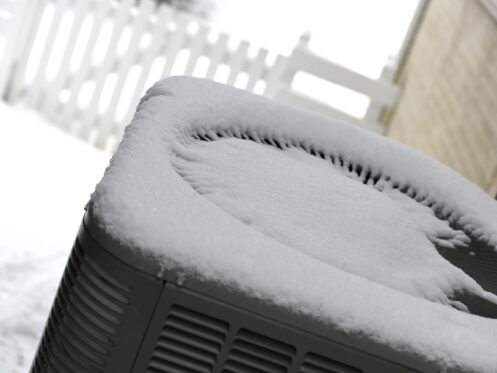
Cold winters in Commerce City can put a lot of demand on your home’s heating system. Heat pumps are increasingly popular because they provide both heating and cooling, but many homeowners wonder how well they hold up when temperatures dip below freezing. Modern heat pump technology has evolved to keep you comfortable throughout the winter, but performance and efficiency can vary based on the type of system and how it’s installed. Read on for more details.
Can Heat Pumps Really Work in Freezing Weather?
Yes, heat pumps can heat your home even when daytime or overnight temperatures are below 32°F. These systems work by moving heat from the outdoor air into your home, and even cold air still contains usable heat energy that the unit can extract and transfer indoors. Advances in technology mean that many current heat pumps are designed to operate efficiently in colder climates like Colorado’s Front Range.
Some cold-climate heat pumps are engineered to provide effective heating even when temperatures dip well below freezing, with many models capable of functioning reliably down to temperatures that would challenge older systems.
Why Efficiency Drops in Extreme Cold
As the outdoor temperature falls, it becomes harder for any air-source heat pump to extract heat. This means the system has to work harder and may run longer to deliver the same amount of warmth, which can reduce overall efficiency compared with milder weather.
In extreme cold, many heat pumps also activate periodic defrost cycles to clear frost from outdoor coils, which briefly shifts the system into a mode that prioritizes ice management over heat output. If defrosting happens frequently or ice buildup is significant, it can temporarily impact performance.
How Can You Improve Heat Pump Performance?
There are several ways to help your heat pump perform better in freezing temperatures:
- Choose a cold-climate model designed for low-temperature operation
- Size the system correctly for your home’s heating load
- Keep outdoor units clear of snow and ice
- Make sure ductwork is properly sealed and insulated
- Schedule regular professional heating maintenance
Proper installation and regular checkups can make a big difference in how efficiently a heat pump heats your home during Colorado’s long winters. Units with advanced inverter-driven compressors and optimized refrigerant systems tend to maintain better performance in cold weather.
Is Backup Heat Necessary?
Some homes use supplemental heating to support a heat pump on the coldest days. Backup systems like electric heat strips or a secondary furnace can kick in automatically when outdoor temperatures fall below a certain threshold. While not always required, backup heat can provide reassurance and consistent comfort during severe cold snaps.
At Smith & Willis Heating & Air Conditioning, we help homeowners in Commerce City, CO choose and maintain heat pump systems that deliver reliable comfort through freezing weather. If you want to learn about the best options for your home or schedule a professional assessment, contact us today to get started.